All Categories
Featured

2026 Bankruptcy Protocols
Table of Contents
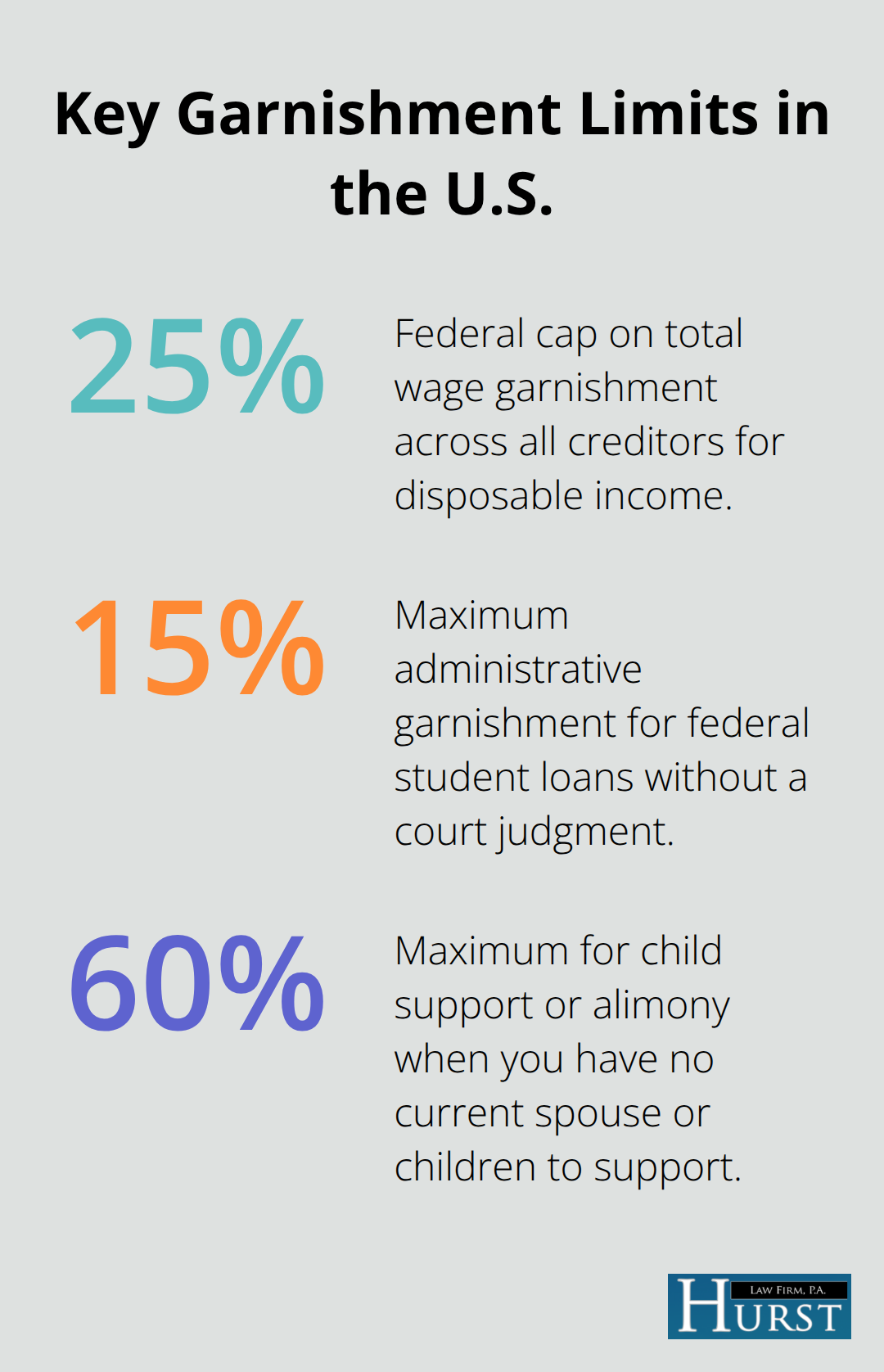
After receiving a federal wage garnishment notice, you can request a challenge hearing through the Department of Education's collection unit. The request should reveal that the garnishment prevents you from covering standard living expenditures. If authorized, garnishment might be reduced or temporarily paused, however the loan stays in default.
Starting the week of January 7, 2026, the U.S. Department of Education (ED) prepares to start garnishing earnings from trainee loan borrowers in default. This will be the first time that customers in default go through losing their pay over trainee loans given that the COVID-19 pandemicapproximately five years., "At a time when households across the country are dealing with stagnant earnings and a cost crisis, this Administration's choice to garnish wages from defaulted trainee loan debtors is cruel, unnecessary, and reckless.
If customers do not know if their loan is in default and will be subject to garnishment, they can go to the Federal Student Help site. Borrowers who are not yet in default can look into Income-Driven Payment alternatives to avoid default.
Borrowers who receive a notification from ED in January can ask for a hearing to object on the premises that the garnishment would result in monetary hardship and ask to reduce the quantity garnished. Debtors must likewise check if they are eligible for discharge. Finally, if debtors are having problem finding info, they can reach out to their Members of Congress and demand casework help.
(formerly Trainee Borrower Security Center) is a nonprofit company led by a team of experts, lawyers, and advocates battling to develop an economy where debt doesn't restrict chance. We examine financial abuses, take predatory business to court, and push for policies to safeguard working people from financial obligation traps. We aim to provide immediate relief to households while constructing power, driving systemic modification, and battling for racial and economic justice.
Why the Automatic Stay Stops Wage Garnishment
The U.S. Department of Education (ED) will resume wage garnishment for trainee loan borrowers in default starting this month-- January 2026. If you receive a notice of wage garnishment, you have rights and choices to protect your earnings and get back on track.
You will receive a 30-day notice before garnishment begins. Update your contact details with ED and your loan servicer to prevent missing out on important notifications. your servicer for confirmation. however keep in mind that some DC borrowers report incorrect delinquency/default statuses. Constantly verify by phone or contact DISB for aid. if possible.
Rehab must start before garnishment begins. Integrate defaulted loans into a brand-new Direct Combination Loan. Within 30 days of notification, you can object if garnishment triggers financial difficulty or ask to reduce the quantity.
Preventing Wage Garnishment Through 2026 Legal SupportDistrict of Columbia law states that you have right to accurate, timely and complete info from your student loan servicers. Servicers should respond to composed queries within 30 days and can not furnish unreliable credit data.
Guide to 2026 Financial Relief and Bankruptcy
If you have concerns regarding your student loans, you can submit a grievance here or you can connect to the DISB Trainee Loan Ombudsman at 202.727.8000 or [email protected].
If you've gotten a letter alerting you that your student loans are in default and threatening garnishment of your incomes, or if your company is already garnishing your wages, you should review your alternatives carefully. You might be able to challenge the trainee loan wage garnishment. The earlier you resolve a trainee loan wage garnishment, the more most likely you will succeed in minimizing or stopping the garnishment.
Garnishment can't take place unless you are in default on your trainee loans. Garnishment can't happen unless you are in default on your trainee loans.

Latest Posts
Evaluating Chapter 7 and Chapter 13
Hiring the Best Bankruptcy Counsel for 2026 Claims
Rebuilding Personal Credit After Bankruptcy