All Categories
Featured


Calculating Legal Fees
That's you. If you are overwhelmed with debt, make sure you consider all debt relief options and identify what's finest for you.
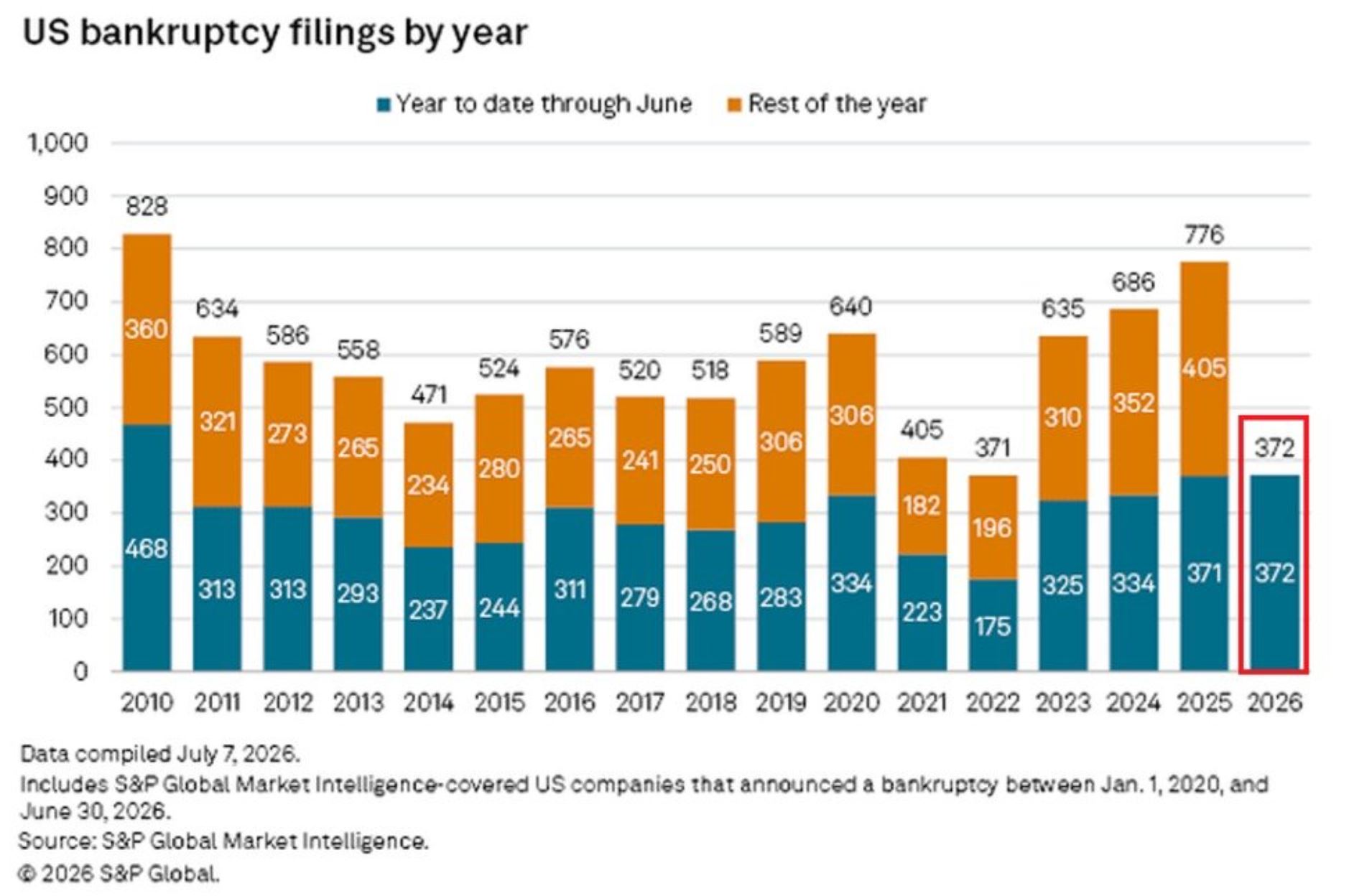
As we go into 2026, the bankruptcy landscape is expected to move in ways that will significantly affect lenders this year. After years of post-pandemic unpredictability, filings are climbing steadily, and financial pressures continue to impact consumer behavior.
For a deeper dive into all the commentary and concerns addressed, we advise seeing the complete webinar. The most popular trend for 2026 is a continual increase in personal bankruptcy filings. While filings have not reached pre-COVID levels, month-over-month growth recommends we're on track to exceed them soon. Since September 30, 2025, bankruptcy filings increased by 10.6 percent compared to the previous fiscal year.
Reliable Bankruptcy Support in 2026
While chapter 13 filings continue to heighten, chapter 7 filings, the most typical kind of customer bankruptcy, are expected to dominate court dockets. This pattern is driven by customers' lack of non reusable income and mounting financial pressure. Other key motorists include: Consistent inflation and raised interest rates Record-high charge card financial obligation and depleted savings Resumption of federal student loan payments Regardless of current rate cuts by the Federal Reserve, rate of interest stay high, and loaning costs continue to climb up.
You ought to also prepare for increased delinquency rates on vehicle loans and home mortgages. It's likewise important to carefully keep an eye on credit portfolios as debt levels stay high.
We predict that the genuine impact will hit in 2027, when these foreclosures move to completion and trigger bankruptcy filings. How can lenders remain one action ahead of mortgage-related bankruptcy filings?
Mastering 2026 Eligibility Forms for Debt ReliefIn recent years, credit reporting in insolvency cases has become one of the most contentious topics. If a debtor does not declare a loan, you should not continue reporting the account as active.
Here are a couple of more finest practices to follow: Stop reporting released debts as active accounts. Resume typical reporting only after a reaffirmation arrangement is signed and submitted. For Chapter 13 cases, follow the plan terms thoroughly and seek advice from compliance teams on reporting obligations. As consumers become more credit savvy, errors in reporting can result in conflicts and possible lawsuits.
Methods to Stop Garnishments
Another trend to watch is the boost in pro se filingscases submitted without attorney representation. Regrettably, these cases typically develop procedural issues for lenders. Some debtors may stop working to accurately reveal their assets, earnings and costs. They can even miss out on key court hearings. Once again, these concerns include complexity to insolvency cases.
Some current college graduates may handle commitments and turn to insolvency to handle total debt. The takeaway: Creditors need to prepare for more complex case management and consider proactive outreach to borrowers dealing with considerable monetary pressure. Lastly, lien perfection stays a significant compliance danger. The failure to ideal a lien within one month of loan origination can result in a financial institution being dealt with as unsecured in insolvency.
Think about protective steps such as UCC filings when delays take place. The insolvency landscape in 2026 will continue to be shaped by financial unpredictability, regulatory examination and developing consumer behavior.
By anticipating the trends pointed out above, you can alleviate direct exposure and keep operational strength in the year ahead. This blog site is not a solicitation for service, and it is not meant to constitute legal suggestions on particular matters, produce an attorney-client relationship or be lawfully binding in any way.

Latest Posts
Evaluating Chapter 7 and Chapter 13
Hiring the Best Bankruptcy Counsel for 2026 Claims
Rebuilding Personal Credit After Bankruptcy