All Categories
Featured

Deciding Between Liquidating and Reorganizing Filings
Table of Contents
Every insolvency case has a. The trustee is not a judge. The trustee's duties depend upon what type of personal bankruptcy the debtor has filed. In,, or, the debtor is rearranging. Rearranging means attempting to repay debts by making payments to lenders through an approved plan called a plan of reorganization (); a plan; or plan.
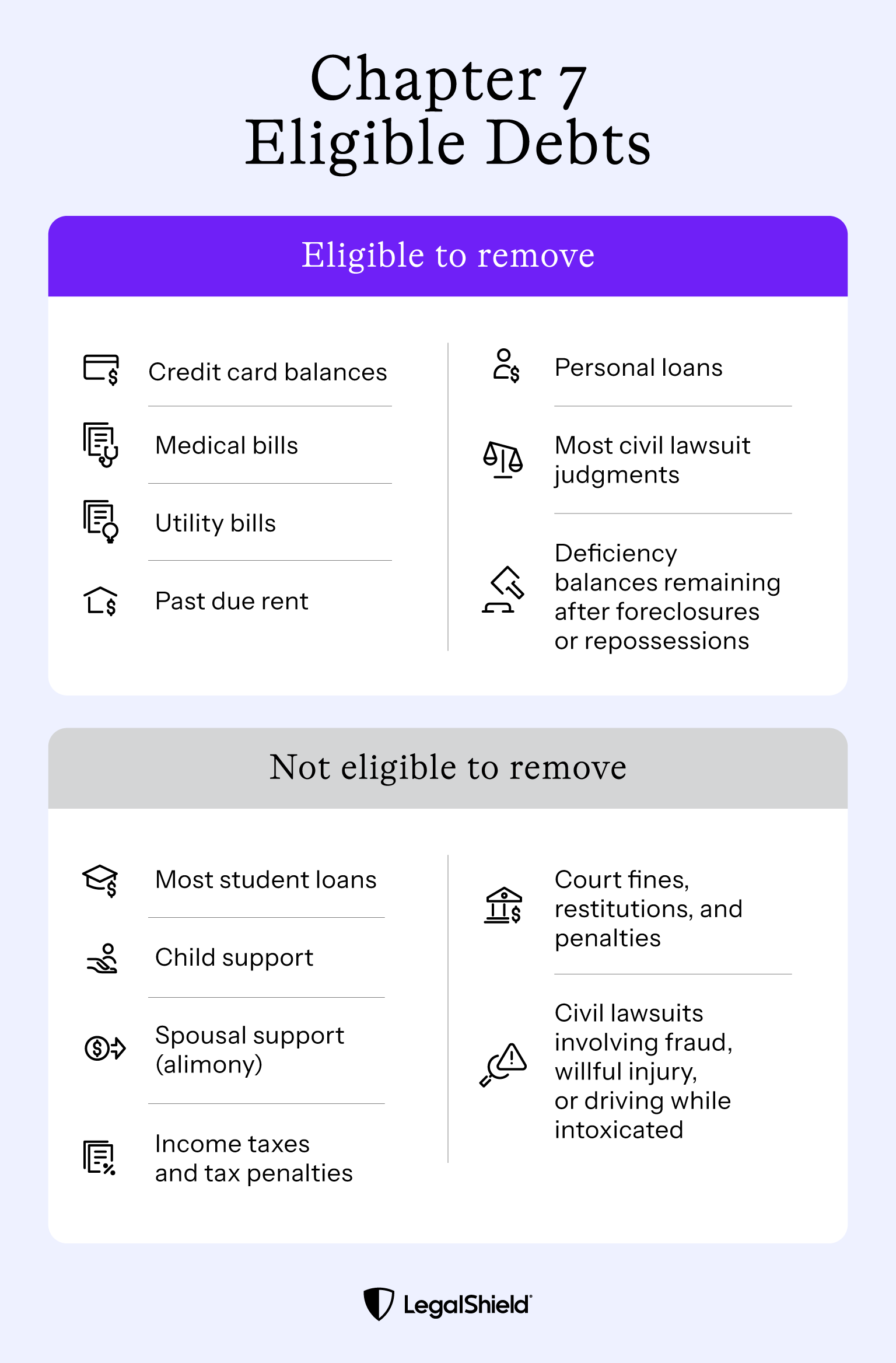
In, debtors are liquidating, suggesting that they inform creditors that they can't pay them any longer. They let the trustee liquidate (sell, take) any nonexempt possessions. A debtor is permitted to "exempt" (secure) many fundamental properties in order to get a fresh start after the bankruptcy is over. Most cases end rapidly as "no-asset" cases.
A Chapter 7 trustee's responsibilities are laid out in.If the debtor has nonexempt possessions like a second house, or more cars and trucks than there are chauffeurs in the debtor's household, the trustee sells those nonexempt assets. After taking their fees, trustees pay the remainder of the money to some or all financial institutions who have submitted a document called a with the bankruptcy court.
Ending Garnishment With 2026 Legal Support
For a guaranteed repaired price quote for your personal bankruptcy, do not hesitate to use our special online cost calculator The real ability in preparing your Chapter 7 personal bankruptcy petition and all the schedules that accompany it is to take advantage of every possible exemption so you can keep your properties and discharge your debts.
A Candid Look at Modern Debt Settlement RisksOur fees are usually a fraction of what other attorneys charge due to the fact that we are more effective. Included in our charge is attorney representation at the 341(a) Meeting of Financial Institutions (they all get welcomed however no one ever shows up). For Chapter 13, your pre-filing payment is the same as for a Chapter 7.
(This is because of the extra work needed to develop an acceptable Chapter 13 Plan and have it validated by the Court, and the reality that we stay your lawyer of record for the period of your Plan.) In the majority of cases, these additional costs lower the quantities going to your financial institutions and do not cost you more.
Understanding Modern Legal Attorney Expenses
usually a minimum of $20,000 to begin. The benefits for people are substantial. Low fixed costs, no surprises. Pay by credit card or a flexible payment strategy that fits your spending plan. We'll put in composing precisely what we will do for you, and warranty we'll do the work, quick, friendly, and effectively.
You can have us start working immediately to get you the relief you require for just $200. We can accept check/debit cards and/or charge card from friend or family. Unfortunately, we can decline your charge card to begin your bankruptcy due to the fact that it could be considered as a type of fraud in which you "obtained" the funds with no objective of paying back.
Are you dealing with overwhelming debt and considering applying for insolvency? But the idea of personal bankruptcy expenses is holding you back? Well, fear not because, with the best law company, you can easily navigate the bankruptcy filing procedure. So, how much does it cost to submit for bankruptcy? Keep reading to discover.
The Ultimate Guide to 2026 Debt Filings
It's important to keep in mind that filing costs are simply one part of the overall expense of filing for personal bankruptcy. If you file for personal bankruptcy, you should pay a filing fee to the insolvency court for your case to be opened.
The overall filing charges charged by the Personal bankruptcy Court for a Chapter 7 insolvency filing are presently $338. It consists of a $245 filing cost, a $78 administrative fee, and a $15 trustee additional charge. The filing cost is paid to the court when you submit your insolvency petition, and it is a basic cost that all insolvency filers need to pay.
You can have us start working immediately to get you the relief you require for just $200. We can accept check/debit cards and/or credit cards from friend or family. We can not accept your credit card to start your insolvency due to the fact that it could be looked upon as a type of fraud wherein you "borrowed" the funds with no intention of paying back.
Are you having a hard time with frustrating debt and thinking about filing for personal bankruptcy? The idea of bankruptcy expenses is holding you back? Well, fear not because, with the very best law firm, you can quickly browse the bankruptcy filing process. So, how much does it cost to submit for personal bankruptcy? Continue reading to discover.
It's essential to note that filing costs are simply one element of the overall cost of filing for insolvency. If you file for insolvency, you need to pay a filing fee to the bankruptcy court for your case to be opened.
Tips for Managing Attorney Costs in 2026
The total filing costs charged by the Bankruptcy Court for a Chapter 7 personal bankruptcy filing are currently $338. It consists of a $245 filing fee, a $78 administrative cost, and a $15 trustee surcharge. The filing fee is paid to the court when you submit your personal bankruptcy petition, and it is a basic charge that all personal bankruptcy filers must pay.

Latest Posts
Evaluating Chapter 7 and Chapter 13
Hiring the Best Bankruptcy Counsel for 2026 Claims
Rebuilding Personal Credit After Bankruptcy