All Categories
Featured

Pro Tips for Navigating 2026 Bankruptcy Systems
Table of Contents
That's you. If you are overwhelmed with debt, be sure you think about all debt relief alternatives and identify what's finest for you.
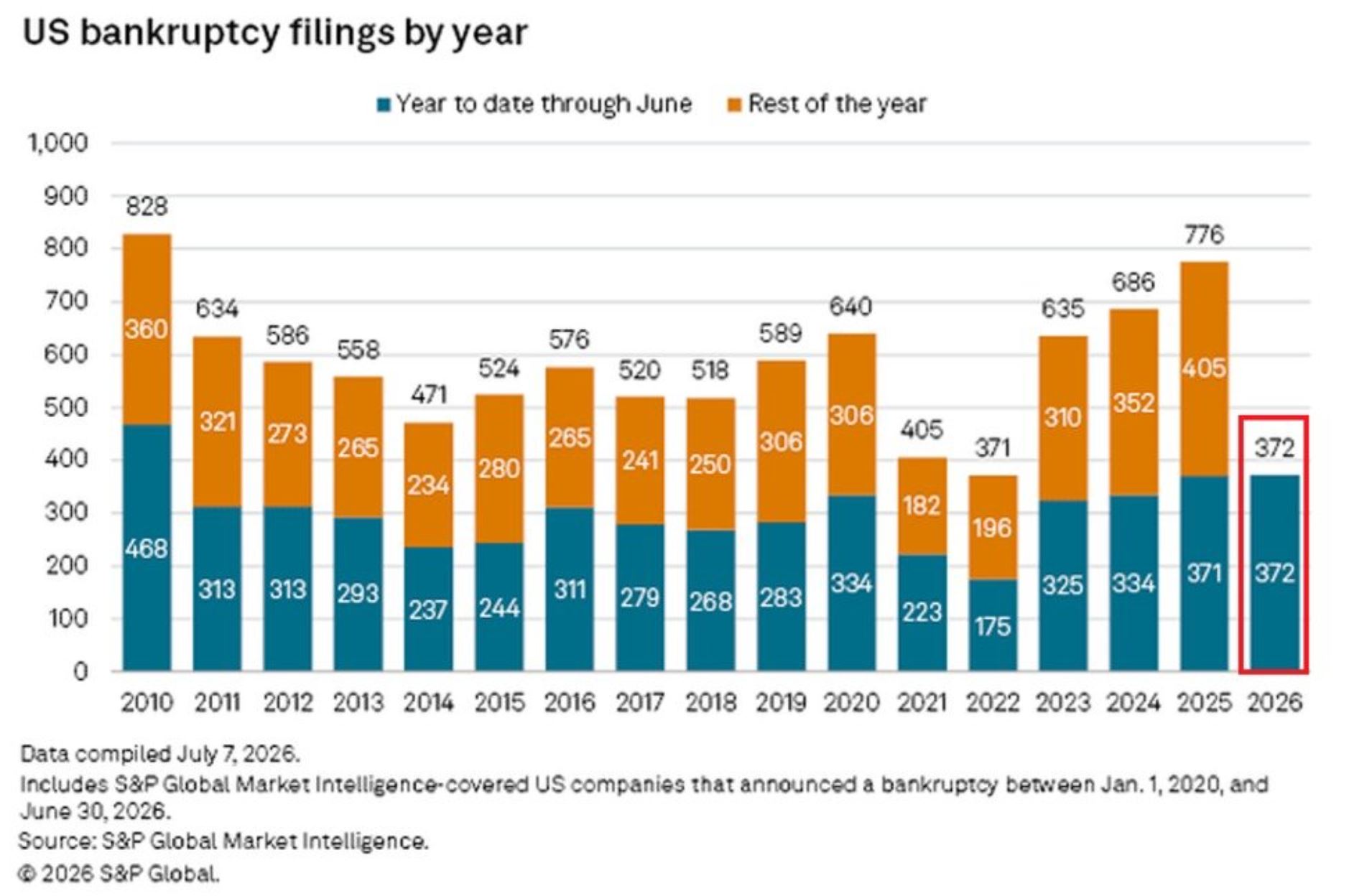
By: Michael L. Moskowitz New data released by Epiq AACER verifies that bankruptcy filings continue to increase across both the commercial and consumer sectors, highlighting the importance for financial institutions to stay watchful in protecting their rights. Throughout the first half of 2026, subchapter V chapter 11 filings increased by 50% over the exact same duration in 2025, climbing from 1,107 to 1,663 filings.
Total bankruptcy filings also increased considerably. Overall filings reached 310,550, a 12% boost year over year. Industrial insolvency filings increased 13%, while chapter 11 filings increased 28%, reflecting continued monetary pressures on businesses from greater loaning expenses, increased business expenses, and ongoing financial unpredictability. For creditors, these trends highlight the growing possibility of clients, debtors, renters, and organization partners looking for insolvency security.
Bankruptcy procedures move rapidly, and creditors that fail to react without delay might lose important rights. Whether the case involves a Chapter 11 reorganization, a Subchapter V case, or a Chapter 7 liquidation, comprehending the appropriate deadlines, asserting claims, evaluating choice and deceptive transfer issues, and keeping track of the debtor's proposed strategy are all important to securing a financial institution's interests.
Pro Tips for Navigating 2026 Bankruptcy Processes
Subchapter V elections increased 28% compared to June 2025, while commercial chapter 11 filings rose 29%, recommending that monetary distress amongst services stays raised. As personal bankruptcy filings continue to increase, lenders should evaluate their credit practices, monitor financially susceptible counterparties, and seek legal assistance immediately when a consumer or customer files for bankruptcy.
Should You Use Chapter 7 in 2026
A (Lock Locked padlock icon) or suggests you've securely connected to the.gov site. Share delicate info just on authorities, protected websites.
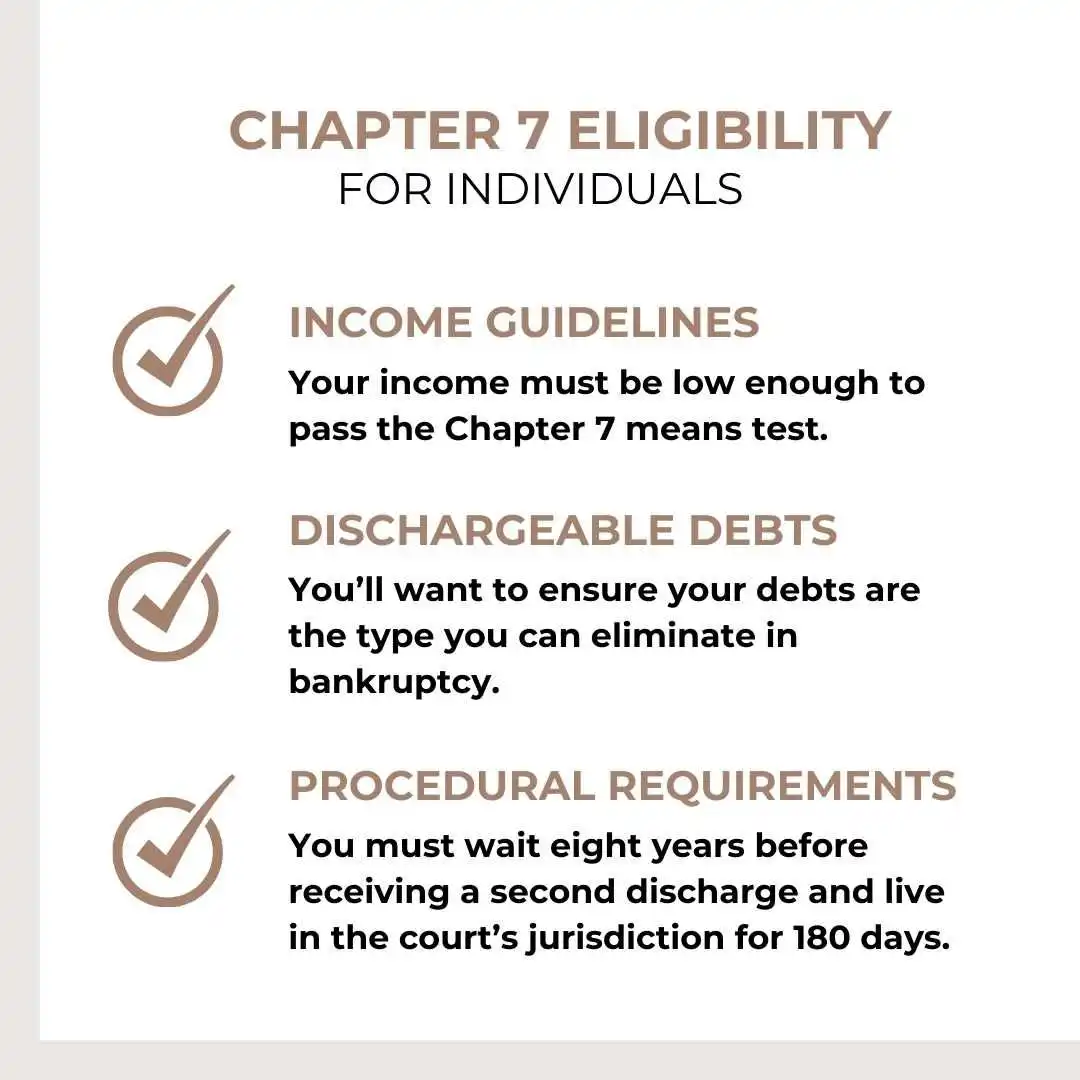
The 2005 Bankruptcy Act requires all private debtors who submit personal bankruptcy on or after October 17, 2005, to go through credit counseling within 6 months before submitting for insolvency relief and to finish a monetary management instructional course after filing bankruptcy. Under the 2005 Insolvency Act your earnings and expenditures will be analyzed to figure out if you qualify to file a Chapter 7 or if you must submit Chapter 13.
If the earnings is listed below the typical, then you may choose Chapter 7. If your earnings exceeds the mean, the remaining parts of the ways test will be applied to identify if you can submit Chapter 7 or if you need to submit Chapter 13. (See California Way Test)To start the insolvency procedure you need to detail your present income sources; significant monetary deals for the last 2 years; monthly living expenses; debts (protected and unsecured); and home (all possessions and ownerships, not just property).
Essential Bankruptcy Support Resources for 2026 Debtors
Once you have collected this details, either on your own or with the assistance of a lawyer, you need to then figure out which property you think is exempt from seizure based upon the California exemptions. To actually submit, either you or your lawyer, will require to submit a two-page petition and a number of other kinds at your California district bankruptcy court.
If your lenders or the judge feel or find out that you have not been completely upcoming in your bankruptcy filing, it might endanger the result of your petition. The cost for submitting a Chapter 7 personal bankruptcy is $306. This fee might not be waived however you might have the ability to pay it in installations.
If you are filing a Chapter 13 personal bankruptcy, a proposed repayment plan need to also be sent. Top priority claims (such as taxes and back child assistance) must be paid in full; unsecured debts (like credit card debt and medical expenses) are normally paid in part.
In addition to the general requirements listed above, the repayment plan must pass each of the following 3 tests:1) It should be delivered in great faith. 2) Unsecured creditors need to be paid a minimum of as much as if a Chapter 7 insolvency had been submitted. Generally, this is the value of all the nonexempt property you own (see California bankruptcy exemptions).3) All non reusable income should be paid into the plan for a minimum of three years (you may consume to 5 years in order to meet the 2nd test that you pay at least as much as in a Chapter 7). If you have submitted Chapter 13, you need to begin making your plan payments.

Latest Posts
Evaluating Chapter 7 and Chapter 13
Hiring the Best Bankruptcy Counsel for 2026 Claims
Rebuilding Personal Credit After Bankruptcy