All Categories
Featured


Strategic 2026 Bankruptcy Support and Tips
Chapter 7 vs. Chapter 13: Which Bankruptcy Choice Is Much Better for Your Financial Situation? Chapter 7 and Chapter 13 personal bankruptcy provide various ways to deal with debt, and the much better choice depends on your income, properties, and monetary concerns. Chapter 7 focuses on removing certifying financial obligations in a relatively short time, while Chapter 13 uses a court-approved repayment plan to assist you catch up slowly.
Chapter 7, typically called liquidation insolvency, is developed to get rid of unsecured debts such as credit cards and medical bills. Under Chapter 13, you make routine payments to a trustee, who then distributes funds to financial institutions. At the end of the strategy, any remaining eligible unsecured financial obligation may be discharged.
There is no single response that applies to everyone. The much better option depends upon how your earnings, debts, and properties interact. Chapter 7 may make good sense if your earnings is low, your debts are primarily unsecured, and you do not require a long-lasting repayment plan. Chapter 13 may be the much better choice if you have a steady earnings, important assets to secure, or overdue protected debts that you wish to keep.
Understanding Attorney Fees in 2026
Numerous people begin restoring credit faster than expected by paying costs on time and managing brand-new accounts responsibly. Chapter 7 remains on your credit report longer than Chapter 13, while Chapter 13 programs lenders that you followed a court-approved repayment plan.
Choosing between Chapter 7 and Chapter 13 is a legal decision with long-term consequences. Filing without comprehending how exemptions, earnings limitations, and repayment strategies apply to your situation can cause avoidable problems. When you are dealing with collection actions, wage garnishment, or mounting bills, getting precise guidance early can help you avoid bad moves and move on with self-confidence.
At Robert H. Solomon, PC, we deal with people in New York to identify the bankruptcy option that fits their objectives and secures what matters most. Contact us to set up a consultation and take the next step towards financial stability. About the Author Mr. Solomon has actually dealt with thousands of individuals looking for to acquire a fresh start through personal bankruptcy.
If debt has become unmanageable, you've probably already searched "Chapter 7 vs Chapter 13 insolvency" more than once. Both chapters can stop collection calls, wage garnishments, and suits but they work in essentially different ways, and picking the incorrect one can cost you time, money, or residential or commercial property you were hoping to keep.
Insolvency Court Chapter 7 Trustee, I have actually evaluated thousands of cases from the inside of the system, not just the exterior. Here's a simple, 2026-updated breakdown of how each chapter works, who qualifies, and how to believe through the decision.
Choosing Chapter 13 for Your 2026 Needs
is a reorganization personal bankruptcy. You keep your residential or commercial property and repay some or all of your debts through a court-approved plan lasting 3 to 5 years. The chapter that's "best" for you depends on your income, what you own, what you owe, and what you're attempting to safeguard usually, a house or a car you're behind on.

A trustee is appointed to your case, non-exempt properties (if any) are offered to pay creditors, and many unsecured financial obligations charge card, medical expenses, personal loans, old utility bills are released. Most Chapter 7 cases discharge in approximately 90120 days from filing. You aren't needed to pay back unsecured lenders.
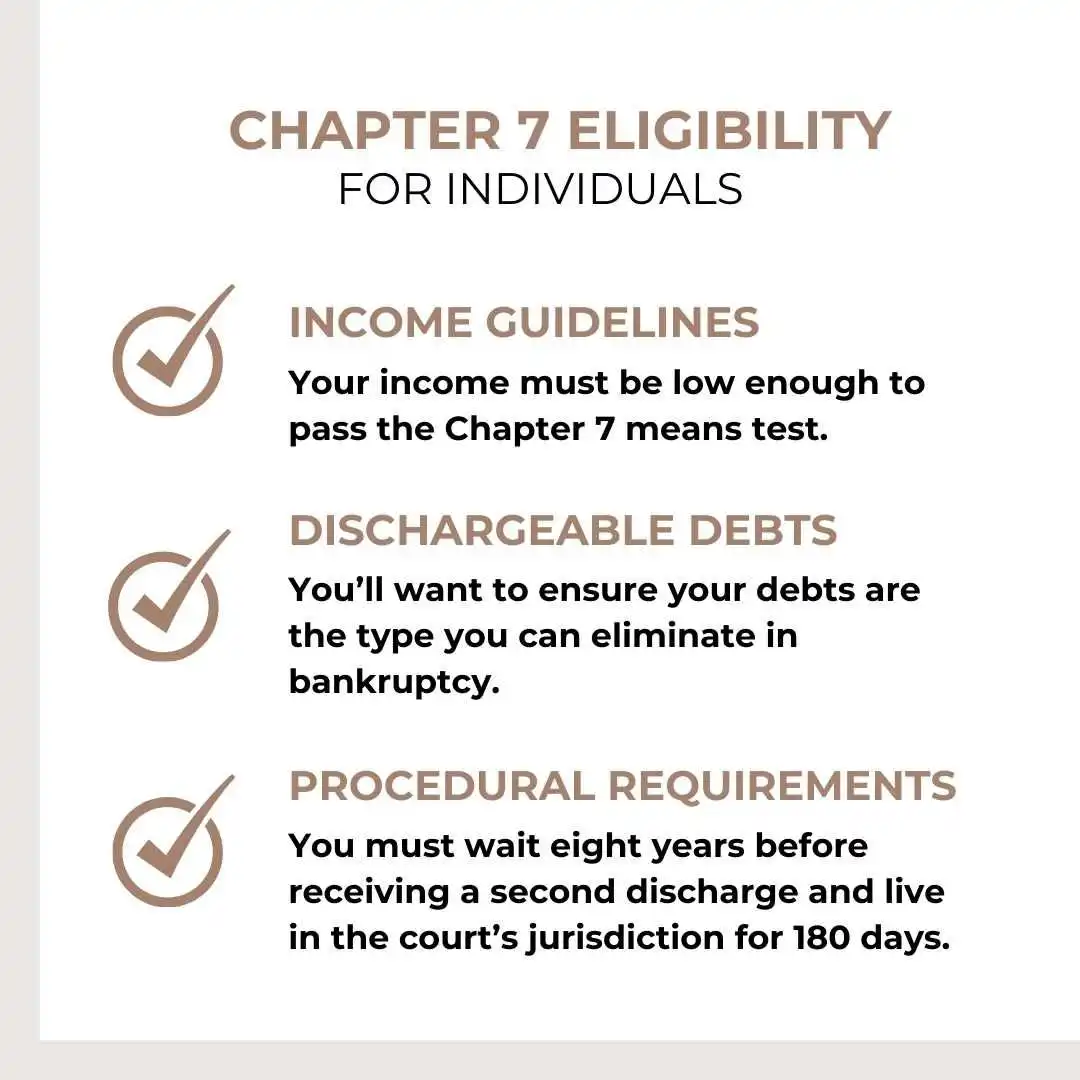
A lot of filers with a modest home, one or two cars, and typical family goods keep whatever. You need to certify based on earnings (more on this listed below). Your income is at or below the Colorado mean for your home sizeYou do not have considerable non-exempt equity in your house or other propertyYou're existing on your home mortgage or vehicle loan (or prepared to surrender them)You want the fastest possible course to a dischargeChapter 13 is a payment strategy insolvency for people with routine income.

Latest Posts
Evaluating Chapter 7 and Chapter 13
Hiring the Best Bankruptcy Counsel for 2026 Claims
Rebuilding Personal Credit After Bankruptcy